

Yes, is the resounding answer to the question, “Do I really need to eat breakfast?” from medical professionals and nutritionists around the world. It is after all, the most important meal of the day. But have you ever wondered why?
Well, here are 10 very convincing reasons why you shouldn’t skip breakfast tomorrow morning or ever again…
Break the Fast
The word “breakfast” literally means breaking the fast. In other words, it literally kick starts your metabolism, muscles, and mind after an 8 or more hour period of food deprivation.

Don’t Be a Gloomy Gus
Skipping breakfast will put a black cloud over any day. Instead of being a grouch, eat breakfast to encourage a positive mood for the day ahead.

Improve Mental Performance
Medical research shows that children who skip breakfast are more apathetic, disinterested, and irritable compared to breakfast noshers.
The Second Meal Effect
Eating breakfast sets your body up to better metabolize lunch. This biochemical shift, called the “second meal effect” results in better blood sugar control, which means less temptation to snack mid-day.
 Source: Shutterstock
Stay Full, Longer
A breakfast that features lean protein—like eggs or Greek yogurt— and complex carbohydrates will keep you satiated until lunchtime.

Eat First Thing and Weigh Less
Medical research shows that those who eat breakfast tend to weigh less vs. those who skip morning meals. Why? Because when you skip a meal; you’re more likely to binge come lunchtime.
Set the Tone
Starting the day with a nutritious breakfast puts you on the right track for healthy eating and healthy behaviors all day long.

Fuel for Energy
Eating a breakfast rich in fiber and carbohydrates will keep you fueled and alert throughout the day.

Better Cholesterol
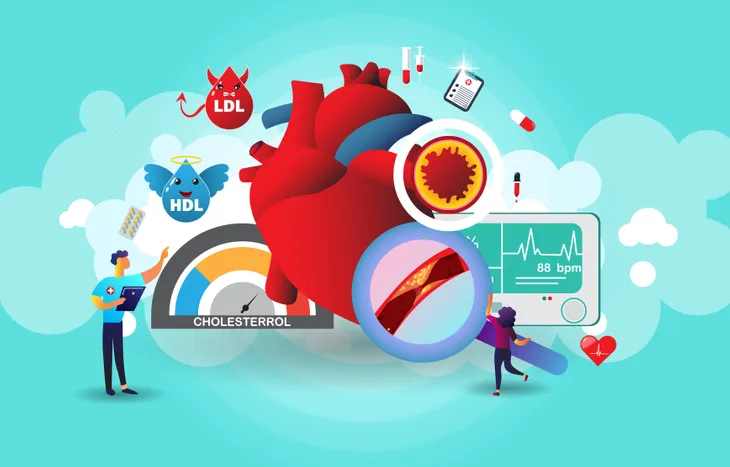
Researchers from the American Journal of Clinical Nutrition linked eating a healthy breakfast improved cholesterol levels and insulin sensitivity vs. non-breakfast consumers.
Be a Role Model
If you’re a parent, eating breakfast sets a healthy example for your kids.